



Personal Loan Rates in 2026: What Borrowers Can Expect Amid Rising Costs
The personal‑loan market is still on a slow climb, with the average APR hovering around 12% as we enter 2026. That figure may sound like a familiar number, but it carries significant weight for anyone looking to fund a home improvement, consolidate debt, or tackle unexpected expenses.
While the headline numbers come from Bankrate’s latest forecast, they sit atop a broader trend that has seen rates rise steadily since the pandemic’s peak. The increase reflects tighter lender appetite, lingering inflationary pressures, and a cautious outlook on the job market. In short, borrowing is more expensive than it was in 2023.
Understanding these dynamics can help you make smarter choices—whether you’re hunting for the lowest rate or evaluating whether a personal loan still makes sense compared to alternatives like home equity lines of credit.
The Forecast Behind the Numbers
Bankrate’s senior industry analyst, Ted Rossman, predicts an average APR of 12% for 2026. This is a modest 0.22‑point dip from December 2025, yet it remains well above the 10.27% average seen at the end of 2021.
Rossman attributes this persistence to lenders’ comfort with consumer credit risk rather than purely the federal funds rate. Even if the Federal Reserve eases policy, banks and fintechs will likely keep rates high unless they see a shift in economic fundamentals that lowers default risk.
The forecast also projects a low of 11.8%—the lowest since December 2023—and a high of 12.2%, essentially flat from last year’s peak. The tight range suggests that most lenders will stay within a narrow band, making it essential to shop carefully for the best deal.
For more details on Bankrate’s methodology and data sources, check out their full personal loan rate forecast.
Lender Landscape: Banks, Credit Unions, Fintechs, and More
Borrowers now have a mosaic of options. Traditional banks still offer competitive rates for those with strong credit scores, but fintech lenders—such as Upgrade and LendingClub—have carved out significant market share by providing faster approvals and more flexible terms.
- Bank Rates (2025 Average): 11.65% on a two‑year loan per the Federal Reserve’s data.
- Credit Union Rates: 10.64% on a three‑year loan according to the National Credit Union Administration.
- Fintech APR Ranges (March 2026): 6.49%–35.99% depending on credit profile and lender.
This diversity means that even with a higher overall average, individual borrowers can still find rates in the lower end of the spectrum—especially if they have excellent credit or qualify for special promotions.
Why Rates Remain Elevated: The Role of Credit Risk
Lenders assess two main risks when setting APRs: the borrower’s likelihood to repay and the overall economic environment. While monetary policy influences short‑term rates, long‑term personal loan rates are more sensitive to credit risk.
In 2026, loan originations surged by 26% year over year, hitting an all‑time high of 6.9 million new loans (TransUnion). Yet fintech lenders captured a larger slice of that market, moving from 43% to 53% share in the same period. This shift signals that borrowers with slightly lower credit scores are still finding access—though at higher rates.
According to Bankrate, even well‑qualified borrowers can expect APRs around 12%. That translates into a $5,000 three‑year loan costing roughly $1,331 in total interest—a modest difference from the $1,099 that would accrue at a 10% rate. The real cost comes down to whether the borrower can secure a lower rate or if they’re forced to pay the higher average.
How to Find the Sweet Spot: Comparing Lenders
The best strategy is to compare offers across multiple platforms. Here’s a quick checklist:
| Lender Type | Typical APR Range | Key Features |
|---|---|---|
| Traditional Bank | 6.74%–26.74% | Secure, stable rates; often lower fees. |
| Credit Union | 7.89%–18.00% | Member benefits; community focus. |
| Fintech Platform (e.g., Upgrade) | 6.49%–35.99% | Fast approval; flexible terms. |
| Peer‑to‑Peer Lender | 8.99%–35.99% | Potential for lower rates with strong credit. |
In practice, a borrower with a 720 credit score and a stable income might secure an APR near the lower end of the fintech range—perhaps around 6.5% to 7%. Conversely, someone with a 650 score may face rates above 15%.
When Personal Loans Still Make Sense
Despite higher rates, personal loans can still be advantageous in certain scenarios:
- Debt Consolidation: Combining multiple high‑interest balances into one fixed rate can reduce overall payments.
- Home Improvement: If the project yields a return (e.g., increased home value), a loan at 12% may still be preferable to a credit card at 20% or higher.
- Unexpected Expenses: When cash flow is tight, a personal loan can bridge the gap without selling assets.
However, borrowers should weigh the total cost against alternatives such as credit cards with lower introductory rates or home equity lines of credit, which often offer 3–5% APRs but come with collateral requirements.
The Role of Credit Score: A Quick Guide
Credit score remains the single most decisive factor in rate determination. Below is a simplified scale based on recent data:
| Score Range | Typical APR (Fintech) |
|---|---|
| 800–850 | 6.49%–7.99% |
| 740–799 | 7.00%–8.74% |
| 680–739 | 9.00%–11.99% |
| 620–679 | 12.00%–15.99% |
| <620 | 16.00%–35.99% |
Those in the lower brackets may need to consider credit‑building strategies—such as secured loans or credit‑union memberships—to improve their odds of securing a better rate.
How to Apply: Steps and Tips
- Check Your Credit: Use free tools from NerdWallet or Bankrate to get an accurate score before applying.
- Shop Early: Rates can fluctuate monthly; start comparing in early 2026 to lock in the best offer.
- Use Soft Pulls: Pre‑qualification checks don’t impact your credit and give you a realistic rate estimate.
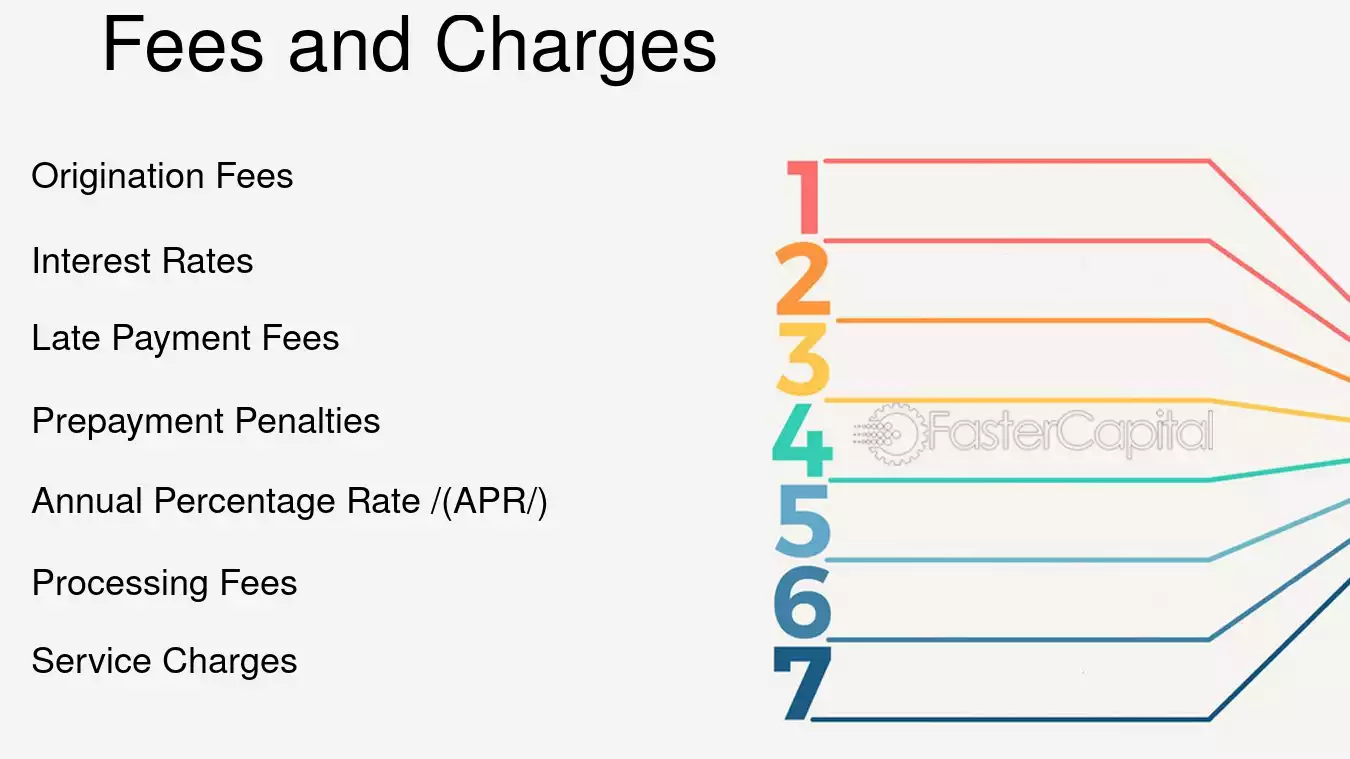
- Read the Fine Print: Look for origination fees, prepayment penalties, and hidden costs that can inflate the APR.
- Consider Timing: If you anticipate a rate cut from the Fed next year, waiting might yield savings—though the forecast suggests rates will stay stable.
Following these steps can help you navigate the crowded personal‑loan market and secure a loan that fits both your budget and financial goals.
Looking Ahead: What 2027 Might Hold
If the Federal Reserve continues to keep its policy rate near current levels, lenders may hold APRs in a similar range. However, any significant easing—say a quarter‑point cut—could trigger a shift toward lower rates as banks adjust their pricing models.
Meanwhile, the fintech sector’s growth could pressure traditional lenders to remain competitive. With more borrowers accessing quick approvals online, banks might reduce fees or offer promotional rates to retain market share.
In any case, the key takeaway remains: personal loan rates are expected to stay higher than in recent years, so diligent comparison shopping is essential.
Key Takeaways for Borrowers
- Average APRs hover around 12% in 2026—higher than the pandemic‑era average of 10.27%.
- Lender type matters: banks and credit unions often offer lower rates, but fintechs provide speed and flexibility.
- Credit score is the decisive factor; improving it can unlock substantial savings.
- Consider alternatives like debt consolidation or home equity lines for potentially lower costs.
For a personalized loan quote that aligns with your credit profile and financial goals, you might explore Jetzloan, which offers competitive rates and streamlined application processes. Their platform integrates seamlessly with multiple lenders, giving you a clear view of the best options available.
Whether you’re planning a major renovation or simply need to consolidate high‑interest debt, staying informed about current rate trends will help you make smarter borrowing decisions in 2026.